
Pool Chemical Balancing in Gold Coast
Maintaining proper water chemistry is one of the most important aspects of pool ownership. Unbalanced water can cause skin and eye irritation, damage equipment, stain surfaces, and allow harmful bacteria to thrive. At Gold Coast Pool Service Pros, we use professional testing equipment and quality chemicals to keep your pool water perfectly balanced.
Why Water Balance Matters
Properly balanced pool water:
Protects Swimmers: Prevents skin irritation, red eyes, and respiratory issues
Protects Equipment: Prevents corrosion of pumps, heaters, and metal fittings
Protects Surfaces: Prevents etching of plaster, staining, and scale buildup
Maximizes Sanitizer: Chlorine works most effectively in balanced water
Saves Money: Balanced water uses less chemicals overall
Getting the balance right requires knowledge, experience, and proper testing.

What We Test & Balance
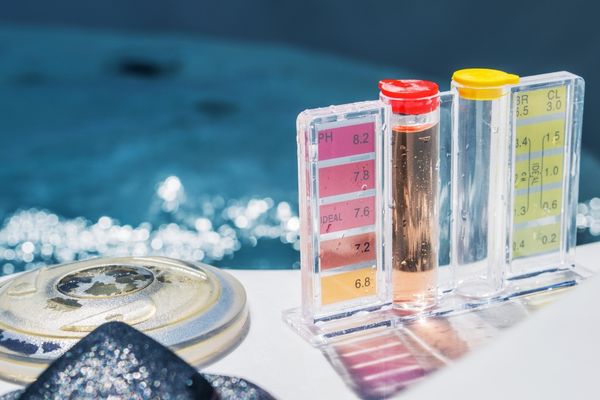
pH Level (7.2-7.6)
pH is the measure of how acidic or alkaline your water is:
Too Low (Acidic): Corrodes equipment, irritates eyes and skin, damages surfaces
Too High (Alkaline): Reduces chlorine effectiveness, causes cloudy water, scale buildup
Just Right: Comfortable swimming, effective sanitization, protected surfaces
We adjust pH using professional-grade acids or alkalis as needed.
Chlorine/Sanitizer Levels
Proper sanitization keeps your pool safe:
Free Chlorine: The active chlorine available to kill bacteria (1-3 ppm ideal)
Combined Chlorine: Used chlorine that causes the “chlorine smell” (should be minimal)
Total Chlorine: Combined measurement of both types
Salt Levels: For saltwater pools, maintaining proper salt concentration
We ensure your pool has adequate sanitization at all times.

Total Alkalinity (80-120 ppm)
Alkalinity acts as a pH buffer:
Too Low: pH bounces around, making it hard to control
Too High: pH tends to drift high, causing cloudiness and scale
Just Right: Stable pH levels, clear water, easy maintenance
Alkalinity is often the first thing we adjust when balancing water.

Calcium Hardness (200-400 ppm)
Calcium levels affect surface longevity:
Too Low: Water becomes aggressive, etching plaster and corroding metal
Too High: Scale forms on surfaces and equipment, cloudy water
Just Right: Surfaces protected, equipment runs smoothly
Especially important for concrete and pebble pools.

Cyanuric Acid/Stabilizer (30-50 ppm)
Stabilizer protects chlorine from sunlight:
Too Low: Chlorine burns off quickly, requiring constant additions
Too High: Chlorine becomes less effective (chlorine lock)
Just Right: Chlorine lasts longer, more cost-effective sanitization
Getting this right saves you money on chemicals.

Our Chemical Balancing Service
Professional Testing
We use professional-grade testing equipment:
Digital photometers for accurate readings
Test for all essential parameters
Compare results to ideal ranges
Document readings for tracking trends
More accurate than basic test strips or home kits.

Quality Chemical Treatment
We use professional-grade products:
Premium chemicals for better results
Proper dosing calculations
Safe handling and application
Environmentally responsible products
Your pool gets the right treatment every time.
Pricing Guide
| Service | Price |
|---|---|
| One-off water test & balance | From $80 |
| Included with maintenance plan | Included |
| Chemical supply & balance | From $120 |
Prices are indicative and may vary based on pool size, condition, and location. Contact us for a free, no-obligation quote.